




Care Guide
Most of what we make is washed, distressed or hand-finished. Treated right it ages well and gets better. Treated like fast fashion it will not.
The short version
- Wash cold, inside out, on a gentle cycle.
- Wash dark pieces separately for the first three or four washes.
- Hang to dry. Keep everything out of the tumble dryer.
- Wash less than you think you need to. Air things out instead.
- Never iron directly over a print, embroidery or hardware.
Denim
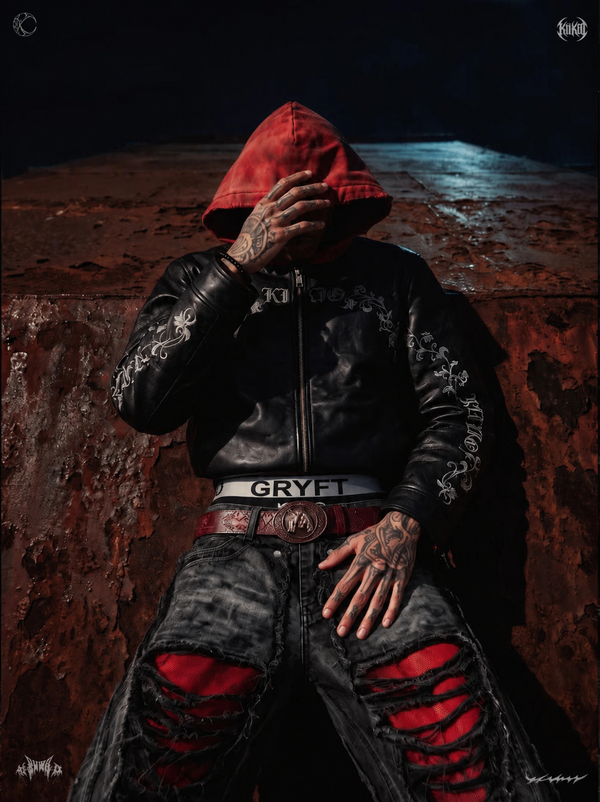
Our denim is washed, dyed and distressed by hand, so colour will transfer at first. Wash it separately, cold, inside out, and expect the indigo to settle over the first few washes rather than staying exactly as it arrived.
- Wash cold at 30°C or below, inside out, on a gentle cycle.
- Do not soak. Long soaking pulls dye out unevenly and can set creases.
- Hang to dry away from direct sun. Heat shrinks denim and hardens the hand.
- Existing rips and frays will grow with wear. If you want one to stop where it is, have it backed with a patch on the inside.
- Spot clean small marks rather than washing the whole pair.
Painted, splattered and printed denim
Turn inside out, wash cold on the gentlest cycle available, and never scrub the painted area. Hang dry only.
Graphic tees and printed jersey
- Always wash inside out. This is what keeps a print from cracking.
- Cold water, mild detergent, no bleach and no fabric softener — softener coats the fibres and dulls print.
- Hang to dry. Dryer heat is the fastest way to ruin a screen print.
- If you iron, go inside out and keep the iron off the print entirely.
Hoodies, sweatshirts and fleece
- Wash cold, inside out, with similar colours.
- Skip fabric softener. It flattens fleece and kills the loft that makes it warm.
- Dry flat or on a wide hanger. A thin hanger will stretch the shoulders out permanently.
- Do not tumble dry — heat shrinks the body and cuffs before it shrinks the sleeves.
Knitwear
- Hand wash cold, or use a wool cycle in a mesh bag.
- Never wring. Press the water out, roll in a towel, then dry flat.
- Store folded, not hung. Hanging stretches knit out of shape.
- Remove pilling with a fabric comb rather than pulling it off by hand.
Faux leather
- Never machine wash. Wipe with a soft damp cloth and a drop of mild detergent, then dry with a clean cloth.
- Keep it away from heat and direct sun. Both dry the surface and cause cracking.
- Keep it away from perfume, alcohol, grease and solvents. All of them attack the coating.
- Store on a wide hanger with room around it. Folded or crushed, it creases permanently.
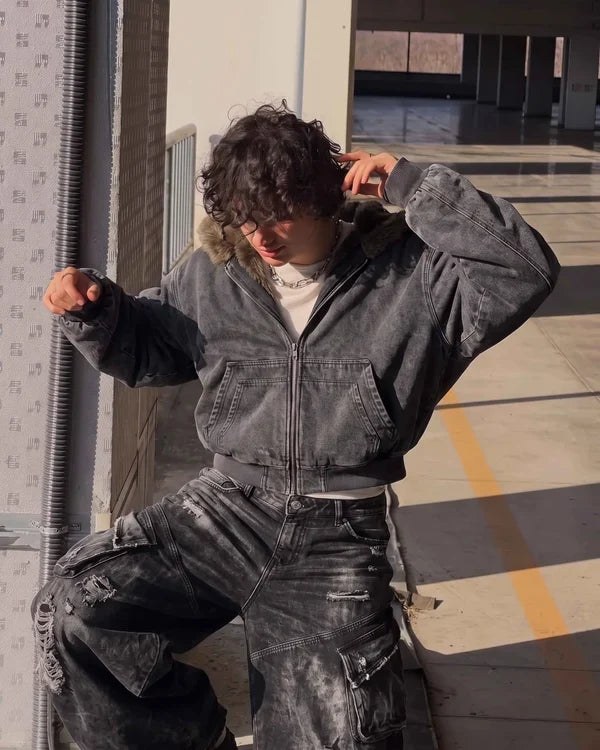
Fur and sherpa trim
- Spot clean only. Do not put a fur-trimmed piece through a full wash.
- If the trim detaches, remove it before washing the shell.
- Brush the pile with a soft brush once it is dry to bring it back up.
- Never apply direct heat. Synthetic pile melts before it feels hot.
Embroidery, studs and chains
- Turn inside out and use a mesh laundry bag so hardware does not catch other pieces.
- Remove detachable chains and belts before washing.
- Dry hardware fully before storing. Trapped moisture is what tarnishes plating.
- Do not iron over studs or eyelets.
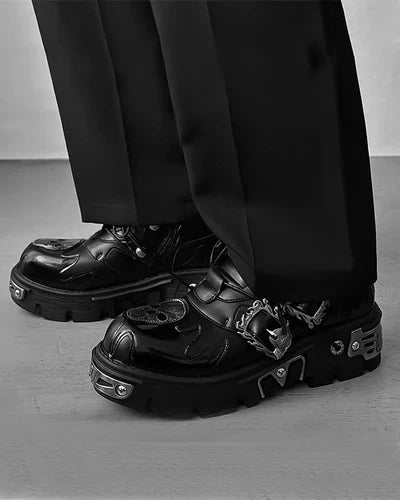
Footwear
- Wipe down after wear. Dirt left on a sole works its way into the seams.
- Never machine wash or tumble dry. Glue fails long before the upper does.
- Dry at room temperature away from radiators. Stuff with paper to hold the shape.
- Use a protector spray on suede and nubuck before the first wear.
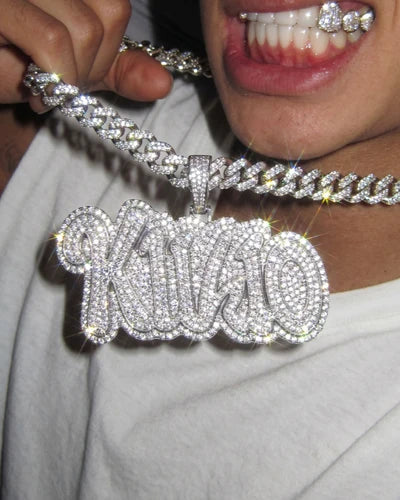
Jewelry
- Put it on last, after fragrance, and take it off first.
- Wipe with a soft dry cloth after wearing.
- Remove before showering, swimming or the gym. Chlorine and sweat both strip plating.
- Store dry and separate so pieces do not scratch each other.
Storage
- Fold knitwear and heavy fleece. Hang denim, jackets and shirts.
- Keep everything out of direct sunlight — it fades black and washed denim fastest of all.
- Give pieces room to breathe. A packed rail creases and crushes shoulders.
Something not covered here? Email contact@gryft.co and we will tell you how that specific piece is finished.